
Fourth Chorus Boss Fight Guide - Hollow Knight: Silksong
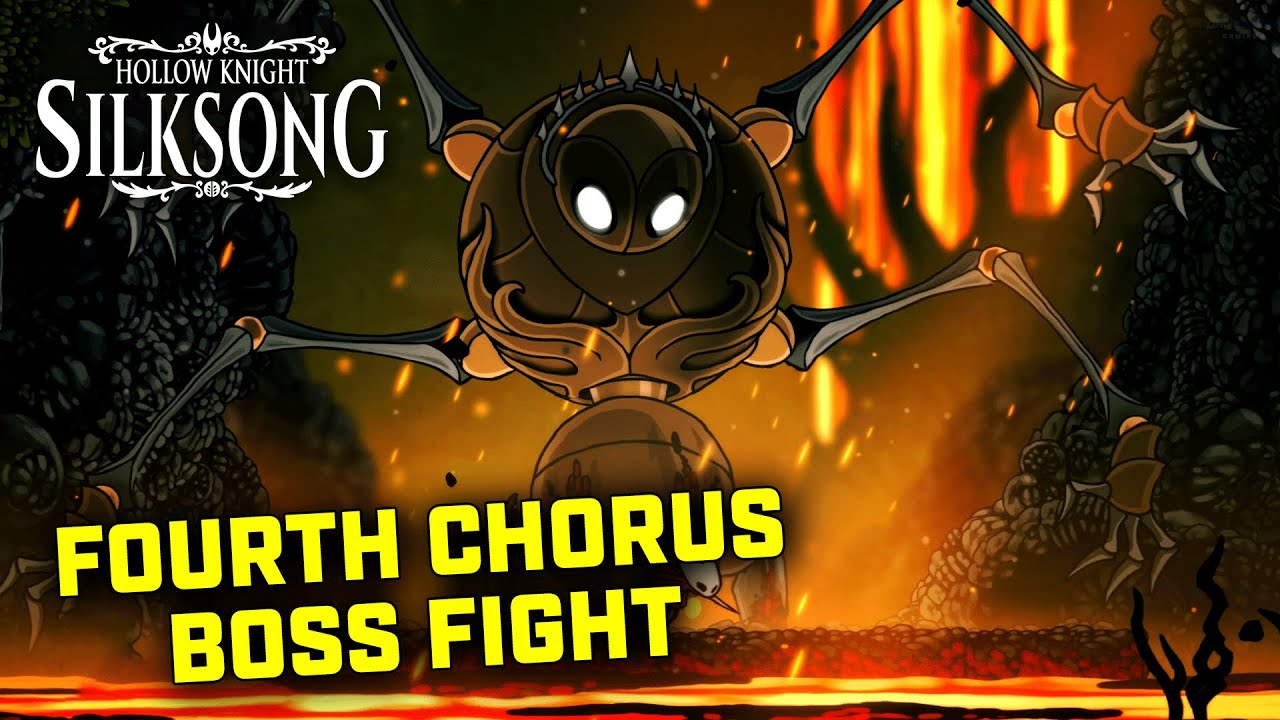
The Fourth Chorus orchestrates a deadly symphony in the Far Fields, combining musical rhythm with projectile patterns that demand perfect timing and spatial awareness. This unique boss encounter challenges players to think musically while maintaining precise movement, creating one of Silksong's most distinctive and memorable fights. Master the rhythm to overcome this melodic menace.
- Area: Far Fields
- Map coordinates: (3994, 2938)
Boss Overview & Musical Combat
The Fourth Chorus represents a revolutionary approach to boss design in Hollow Knight: Silksong, where musical timing becomes as important as traditional combat skills. This encounter teaches essential principles:
- Rhythm recognition - Understanding musical patterns to predict attacks
- Multi-layered awareness - Managing multiple projectile streams simultaneously
- Timing precision - Executing movements in sync with musical beats
- Pattern memorization - Learning complex sequences for consistent performance
- Spatial rhythm - Coordinating movement with musical timing
The skills developed against the Fourth Chorus prove invaluable against other timing-based encounters throughout Silksong.
Location & Arena Dynamics
Far Fields Environment
The Fourth Chorus emerges in the open expanses of Far Fields, an area characterized by:
- Wide Open Spaces - Large areas that encourage lateral movement
- Musical Atmosphere - Environmental audio cues throughout the region
- Rhythm-Based Challenges - Earlier enemies teach timing-based mechanics
- Clear Sight Lines - Minimal visual obstruction for pattern recognition
Arena Characteristics
- Circular Design: Promotes consistent movement patterns and predictable spacing
- Excellent Visibility: Clear view of all projectiles and attack telegraphs
- Movement Freedom: No platforms or obstacles to complicate positioning
- Audio Focus: Environmental design emphasizes musical elements
Musical Attack Pattern Analysis
Core Rhythm System
Note Barrage (Primary Pattern)
- Musical Structure: Follows consistent beat patterns aligned with background music
- Projectile Behavior: Multi-directional notes fired in rhythmic sequences
- Counter Strategy: Move with small steps matching the musical rhythm
- Advanced Technique: Dash only to thread tight patterns, not for every projectile
- Timing Key: Listen to audio cues rather than relying purely on visual information
Rhythm Burst (Multi-Ring Attack)
- Musical Foundation: Complex polyrhythmic pattern with multiple beat layers
- Execution: Concentric rings of projectiles with different timing offsets
- Navigation Strategy: Identify the low-pressure lane between rhythm layers
- Counter Timing: Wait for the final beat to punish during recovery
- Pattern Recognition: Each burst follows a specific musical phrase structure
Point-Cast (Directed Attack)
- Musical Timing: Single strong beat followed by sustained note
- Targeting: Direct line attack toward player's current position
- Counter Method: Close distance diagonally to reduce projectile travel time
- Punish Window: Substantial recovery period after each point-cast
- Movement Tip: Diagonal approach minimizes exposure to follow-up attacks
Advanced Musical Mechanics
Tempo Variations
- Fourth Chorus adjusts attack speed based on musical tempo changes
- Slower sections provide easier patterns but longer overall sequences
- Faster sections compress timing windows but create more predictable rhythms
- Players must adapt their movement timing to match tempo shifts
Harmonic Combinations
- Multiple attack types can overlap, creating complex harmonic patterns
- Note barrages may coincide with rhythm bursts for maximum pressure
- Point-casts can interrupt other patterns, creating syncopated rhythms
- Understanding musical harmony helps predict combination attacks
Strategic Approach & Loadout
Rhythm-Focused Crest Setup
Mobility Enhancement
- Movement Speed - Crucial for maintaining rhythm while repositioning
- Dash Efficiency - Better control over movement timing
- Stamina Management - Sustain movement through long musical sequences
Survivability Options
- Light Regeneration - Buffer against chip damage from complex patterns
- Brief Invincibility - Safety margin for mistimed movements
- Silk Efficiency - Resource management for extended encounters
Weapon Selection Philosophy
Range Considerations
- Medium Range Weapons: Allow engagement while maintaining safe distance
- Precise Tools: Single-target focus matches the boss's ranged nature
- Quick Recovery: Fast weapons fit between musical beats effectively
Recommended Characteristics
- Consistent Damage: Reliable output for rhythm-based opportunities
- Audio Feedback: Weapons with clear hit confirmations aid timing
- Minimal Commitment: Short attack animations fit musical windows
Avoid
- Slow Heavy Weapons: Recovery times conflict with musical rhythm
- Close-Range Tools: Force dangerous proximity to projectile sources
- Complex Combos: Multi-hit sequences disrupt rhythm focus
Phase Progression & Musical Evolution
Opening Movement: Simple Melodies (100-75% Health)
Musical Character
- Basic 4/4 time signatures with clear downbeats
- Simple melodic patterns with generous spacing
- Predictable rhythm structures with obvious emphasis
Combat Strategy
- Learn the Beat: Establish comfort with the basic rhythm
- Pattern Recognition: Identify recurring musical phrases
- Movement Practice: Develop muscle memory for rhythm-based movement
- Damage Opportunities: Capitalize on clear musical breaks
Development Section: Increasing Complexity (75-50% Health)
Musical Evolution
- Introduction of syncopation and off-beat elements
- Overlapping patterns create polyrhythmic challenges
- Tempo variations add complexity to timing requirements
Strategic Adaptation
- Advanced Listening: Focus on multiple rhythm layers simultaneously
- Flexible Movement: Adapt to changing tempo and rhythm patterns
- Pattern Prediction: Anticipate variations on established themes
- Resource Management: Balance aggression with survival needs
Climactic Finale: Musical Mastery Required (50-0% Health)
Maximum Complexity
- Complex time signatures and irregular rhythms
- Multiple simultaneous attack patterns create dense musical textures
- Rapid tempo changes demand immediate adaptation
Expert Execution
- Musical Intuition: Rely on developed rhythm sense over conscious analysis
- Perfect Timing: Execute precise movements within tight musical windows
- Pattern Integration: Combine learned patterns into fluid performance
- Sustained Focus: Maintain concentration through extended complexity
Advanced Rhythmic Techniques
Musical Movement Mastery
Beat Matching
- Synchronize basic movement to the underlying musical pulse
- Use step timing to maintain rhythm even during complex patterns
- Develop internal metronome for consistent timing
Counter-Rhythm Navigation
- Move against certain rhythm patterns to find safe spaces
- Use syncopation to avoid predictable positioning
- Create deliberate rhythm conflicts to confuse targeting
Harmonic Positioning
- Position movements to complement musical harmony
- Use chord progressions to predict pattern changes
- Align major movements with harmonic resolutions
Damage Optimization Through Music
Rhythmic Punishing
- Time attacks to musical downbeats for maximum effectiveness
- Use musical phrases to guide attack sequences
- Coordinate damage windows with harmonic cadences
Musical Prediction
- Anticipate attack patterns based on musical structure
- Use melodic development to predict boss behavior changes
- Recognize recurring musical themes as attack telegraphs
Common Musical Mistakes
Timing Confusion
Problem: Unable to maintain consistent rhythm during complex patterns Musical Cause: Trying to follow too many rhythm layers simultaneously Solution: Focus on one primary rhythm, let others become background Prevention: Practice isolating individual rhythm elements
Audio Overload
Problem: Becoming overwhelmed by complex musical information Musical Cause: Attempting conscious analysis instead of intuitive response Solution: Trust developed musical instincts, reduce analytical thinking Prevention: Build musical confidence through repetitive practice
Movement Arrhythmia
Problem: Movement timing becomes disconnected from musical rhythm Musical Cause: Panic responses override musical training Solution: Reset to basic beat, rebuild rhythm connection gradually Prevention: Practice staying calm under musical pressure
Audio-Visual Integration
Sound Design Mastery
- Audio Cues: Different instruments indicate specific attack types
- Dynamic Range: Volume changes signal intensity variations
- Harmonic Warnings: Chord changes often precede pattern shifts
- Rhythm Emphasis: Percussion elements highlight key timing points
Visual-Musical Coordination
- Projectile Choreography: Visual elements align with musical beats
- Animation Timing: Boss movements follow musical phrasing
- Environmental Sync: Background elements pulse with musical rhythm
- Effect Coordination: Visual effects emphasize musical structure
Rewards & Musical Mastery
Immediate Benefits
- Substantial Geo Reward: Major currency gain for equipment upgrades
- Far Fields Progression: Opens deeper exploration routes
- Rhythm Skills: Musical timing abilities for future encounters
- Unique Achievement: Completion of one of Silksong's most distinctive fights
Long-Term Development
- Enhanced Timing: Improved precision for all timing-based challenges
- Musical Intelligence: Better understanding of audio-based game mechanics
- Pattern Recognition: Advanced ability to process complex sequences
- Artistic Appreciation: Deeper connection to Silksong's musical design philosophy
Frequently Asked Questions
Q: Do I need musical training to defeat the Fourth Chorus? A: No formal training required, but listening carefully to rhythm patterns is essential. The game teaches musical timing through the encounter itself.
Q: What if I have difficulty hearing the musical patterns? A: Visual cues accompany all audio elements. Focus on projectile timing patterns if audio is challenging to parse.
Q: How important is it to move exactly on the beat? A: Precise timing helps significantly, but being close to the rhythm is usually sufficient. Perfect synchronization is more important in the final phase.
Q: Can I use the environment to block projectiles? A: The Far Fields arena is open with no blocking elements. Success depends entirely on movement and timing.
Q: What's the best strategy if I get overwhelmed by the complexity? A: Focus on survival over damage. Simplify your approach by following just the basic rhythm until patterns become clearer.
Related Guides & Musical Preparation
- Far Fields Exploration: Complete area guide including musical themes
- Rhythm Combat Basics: Introduction to timing-based encounters
- Audio Design Guide: Understanding Silksong's musical integration
- Pattern Recognition: Advanced techniques for complex sequences
- Projectile Avoidance: General strategies for ranged encounters
The Fourth Chorus represents the perfect fusion of Silksong's musical artistry and challenging gameplay. Embrace the rhythm, and let the music guide you to victory.

Open Interactive Map (All Areas)
Opens the full interactive Silksong map in a new tab.