
Mount Fay Overview
Mount Fay is one of Hollow Knight: Silksong's most challenging and atmospheric high-altitude regions, characterized by treacherous mountain peaks, severe cold exposure mechanics, and demanding platforming that tests the limits of advanced movement abilities. This late-game area represents the ultimate test of environmental adaptation and movement mastery, where survival depends on strategic heat source management and precise execution of complex traversal sequences.
The mountain's harsh environment creates a unique survival challenge: cold exposure continuously drains health unless players remain near heat sources such as campfires, lamps, and other warming elements. Combined with powerful wind currents and narrow ledges at dangerous heights, Mount Fay demands both technical skill and strategic resource management from even experienced players.
Key Features
- Cold Exposure Mechanics: Continuous health drain when away from heat sources creates urgent tactical decisions
- Advanced Movement Requirements: Late-game traversal abilities essential for safe navigation and progression
- Wind-Affected Platforming: Powerful gusts and updrafts require precise timing and positioning
- Heat Source Strategy: Environmental warming points serve as both survival tools and strategic checkpoints
- Vertical Complexity: Multi-level mountain terrain with extreme elevation challenges
- Late-Game Positioning: Connects advanced areas and requires proven exploration competence
Environmental Hazards & Survival Mechanics
Cold Exposure System
- Continuous Damage: Health drains steadily when away from heat sources, creating time pressure for all actions
- Heat Source Types: Campfires, lamps, heated machinery, and other warming elements provide temporary safety
- Strategic Positioning: Plan movements around heat source locations to minimize exposure damage
- Resource Management: Balance speed versus safety when moving between warming points
- Environmental Destruction: Some heat sources can be damaged or destroyed, making protection finite
Mountain Weather & Wind Effects
- Powerful Updrafts: Strong wind currents that can aid or hinder movement depending on positioning
- Gusty Conditions: Unpredictable wind patterns that affect jump distance and landing precision
- Visibility Issues: Weather effects can reduce visibility and make threat identification challenging
- Movement Disruption: Wind can push players off intended paths or into hazardous areas
High-Altitude Platforming Challenges
- Extreme Heights: Falls result in significant damage or death, making precision mandatory
- Narrow Ledges: Limited platform space combined with wind effects creates demanding traversal
- Unstable Surfaces: Some platforms may shift or break under environmental stress
- Limited Margin for Error: The combination of cold, wind, and height leaves little room for mistakes
Advanced Movement Requirements
Essential Abilities for Safe Navigation
- Wall-Jump Proficiency: Vertical surfaces and cliff faces require advanced climbing techniques
- Wind Gliding Mastery: Air current navigation essential for crossing large gaps and ascending heights
- Dash Timing: Precise dash usage for covering distances between heat sources quickly
- Combo Movement: Complex sequences combining multiple movement abilities for optimal efficiency
Movement Strategy Integration
- Heat Source Routing: Plan traversal paths that connect warming points efficiently
- Wind Pattern Reading: Learn to predict and utilize air currents for enhanced movement
- Emergency Protocols: Develop quick routes to nearest heat sources during unexpected situations
- Energy Conservation: Balance movement speed with ability resource management
Recommended Preparation
Before attempting Mount Fay exploration:
- Complete Movement Tree: Ensure access to all available movement upgrades and enhancements
- Practice Advanced Techniques: Master complex movement combinations in safer environments
- Study Wind Mechanics: Understand air current behavior through our Wind Gliding Guide
- Resource Stockpiling: Accumulate healing items and currency for extended high-risk exploration
Get the Mount Fay Map (Shakra Location Guide)
Accessing the Mountain Vendor
- Entry Route: From The Slab, take the leftward exit through the Bellway tunnel system
- Mountain Ascent: Follow the tunnel path as it transitions from underground to high-altitude terrain
- Heat Source Navigation: Use warming points as waypoints while ascending to Shakra's location
- Sheltered Alcove: Look for Shakra in a protected area that shields from the worst weather effects
- Audio Identification: Listen for her distinctive humming, which carries differently in the thin mountain air
Critical Map Purchases
- Mount Fay Map: Essential for understanding heat source locations and safe routing (highest priority purchase)
- Quill: Automatic room mapping prevents dangerous exploration redundancy (critical for efficiency)
- Compass: Position awareness crucial when weather effects reduce visibility (valuable safety tool)
- Strategic Investment: In Mount Fay's harsh conditions, mapping tools are survival equipment rather than convenience items
Post-Purchase Heat Management
After acquiring mapping tools from Shakra:
- Immediate Shelter: Locate the nearest heat source and rest to activate map updates
- Route Planning: Use the revealed map to identify optimal paths between warming points
- Resource Assessment: Evaluate health and healing resources before attempting deeper exploration
- Emergency Backup: Identify multiple retreat routes to heat sources in case of unexpected complications
Heat Source Management & Survival Strategy
Types of Heat Sources
- Campfires: Traditional warming points that provide reliable heat over extended periods
- Heat Lamps: Mechanical warming devices with focused heat zones and potential fuel limitations
- Natural Vents: Geothermal features that provide warmth but may have limited accessibility
- Heated Machinery: Industrial equipment that generates warmth as a byproduct of operation
Strategic Heat Planning
- Route Mapping: Plan all movement around known heat source locations
- Time Management: Calculate maximum safe distance between warming points based on health reserves
- Backup Planning: Always identify alternative heat sources in case primary routes become unavailable
- Resource Integration: Combine heat management with currency collection and exploration goals
Heat Source Preservation
- Environmental Awareness: Some heat sources can be damaged by combat or environmental effects
- Protective Priority: Prioritize protecting heat sources over other exploration objectives when necessary
- Emergency Protocols: Develop strategies for dealing with damaged or destroyed warming points
- Conservation Ethics: Avoid unnecessary actions that might compromise essential heat sources
Area Connections & Late-Game Integration
Major Connection Points
- The Slab Access: Primary entry route via leftward Bellway tunnel from The Slab
- High Halls Network: Upper connections to elevated citadel regions (requires advanced movement)
- Bell Travel Integration: Fast travel stations positioned for efficient mountain access
- Secret Passages: Hidden routes accessible only with complete movement ability sets
Strategic Positioning in Game Progression
- Late-Game Timing: Recommended after acquiring advanced movement abilities and substantial upgrades
- Skill Gate Function: Serves as practical test of player competence before accessing end-game content
- Resource Requirements: Demands significant investment in character progression and equipment
- Achievement Integration: Contains content essential for comprehensive game completion
Connection Strategy
- Preparation Staging: Use connected areas to prepare resources and abilities before mountain attempts
- Retreat Planning: Maintain access to safer areas for resource gathering and recovery
- Progress Integration: Combine mountain exploration with broader late-game progression goals
- Achievement Coordination: Plan mountain exploration around comprehensive completion requirements
Advanced Platforming Techniques
Wind-Assisted Movement
- Updraft Utilization: Learn to ride air currents for enhanced jump distance and height
- Directional Control: Master mid-air steering during wind glide sequences
- Landing Precision: Develop skills for accurate landings on small platforms during windy conditions
- Emergency Maneuvers: Practice recovery techniques for when wind disrupts intended movement
Cold Weather Adaptations
- Speed Optimization: Develop rapid movement techniques for minimizing cold exposure time
- Health Conservation: Balance movement speed with health preservation during heat source transitions
- Emergency Warming: Learn to identify and reach heat sources quickly during crisis situations
- Resource Rationing: Manage healing resources efficiently during extended cold exposure periods
High-Stakes Platforming
- Precision Under Pressure: Maintain accuracy during cold exposure time pressure
- Risk Assessment: Evaluate whether challenging platforming attempts are worth potential rewards
- Failure Recovery: Develop strategies for recovering from falls or failed traversal attempts
- Progressive Difficulty: Build skills gradually rather than attempting the most challenging sections immediately
Enemy Types & Combat Adaptation
Mountain-Adapted Threats
- Cold-Resistant Fauna: Enemies adapted to the harsh mountain environment with unique attack patterns
- Wind Riders: Flying enemies that use air currents to enhance their mobility and attack options
- Territorial Guards: Enemies that protect crucial heat sources or traversal points
- Alpine Predators: Aggressive threats that take advantage of the challenging environmental conditions
Combat Environment Challenges
- Cold Exposure During Combat: Fighting while managing health drain from environmental conditions
- Wind-Affected Attacks: Air currents can disrupt both player and enemy attack accuracy
- Platform Limitations: Combat on narrow ledges with significant fall consequences
- Heat Source Competition: Enemies may occupy or threaten essential warming points
Tactical Adaptations
- Quick Engagement Strategy: Minimize combat duration to reduce cold exposure time
- Heat Source Defense: Prioritize protecting warming points over aggressive combat approaches
- Environmental Advantage: Use wind currents and terrain features strategically during fights
- Resource Conservation: Balance combat effectiveness with healing resource preservation
Items & Collectibles Strategy
High-Value Mountain Rewards
- Late-Game Upgrade Materials: Advanced progression items commensurate with the area's difficulty
- Rare Currency Deposits: Substantial Rosary concentrations for funding end-game purchases
- Unique Collectibles: Items available only in extreme environments like Mount Fay
- Achievement Components: Materials necessary for comprehensive game completion requirements
Collection Under Pressure
- Risk/Reward Assessment: Evaluate whether collectibles justify the danger and resource cost of acquisition
- Strategic Timing: Plan collection attempts around optimal environmental conditions
- Heat Source Integration: Combine item gathering with heat source management for efficiency
- Return Planning: Mark challenging collectibles for future attempts with better preparation
Environmental Collection Challenges
- Cold Timer Pressure: Limited time windows for exploring areas away from heat sources
- Wind Interference: Air currents can complicate reaching or retrieving items
- Platform Instability: Some collectible locations may have unreliable or dangerous access
- Resource Cost: Weigh healing resource expenditure against collectible value
Bench Locations & Strategic Checkpoints
Essential Bench Network
-
Mountain Entry Bench
- Location: Near the transition from The Slab tunnel system into high-altitude terrain
- Heat Source: Usually positioned near reliable warming elements for safe extended use
- Strategy: Use as final preparation point before attempting dangerous mountain sections
-
Mid-Climb Staging Bench
- Location: Strategic midpoint during the mountain ascent with access to heat sources
- Purpose: Critical checkpoint for breaking long vertical progressions into manageable segments
- Features: Often provides good visibility for planning continued ascent routes
-
Peak Area Bench
- Location: Near the highest accessible areas with comprehensive heat source access
- Value: Optimal staging for end-game exploration and achievement-related content
- Challenges: May require significant skill and resource investment to reach safely
Bench Strategy for Survival
- Heat Integration: Always combine bench usage with heat source access for extended planning sessions
- Resource Planning: Use bench locations as staging areas for major exploration attempts
- Progress Security: Rest frequently to secure advancement in this high-risk environment
- Emergency Planning: Maintain awareness of bench locations for crisis retreat scenarios
Frequently Asked Questions
Preparation & Access
Q: When should I attempt Mount Fay? A: After acquiring advanced movement abilities (especially wall-jump and wind gliding), substantial health upgrades, and experience with challenging environmental conditions. This is definitely a late-game area.
Q: How do I reach Mount Fay? A: From The Slab, take the leftward exit through the Bellway tunnel. Follow the path as it ascends into high-altitude mountain terrain.
Q: What should I bring for my first Mount Fay attempt? A: Maximum health, full healing resources, all available movement upgrades, sufficient Rosaries for map purchases, and patience for learning the heat source management system.
Cold Exposure & Heat Management
Q: How does the cold exposure system work? A: Your health continuously drains when away from heat sources like campfires, lamps, and heated areas. Stay near warming points to stop the damage and plan movements between them carefully.
Q: Can heat sources be destroyed? A: Some can be damaged by combat or environmental effects. Prioritize protecting essential heat sources and always identify backup warming points.
Q: What's the maximum safe distance between heat sources? A: This depends on your current health and healing resources. Generally, plan for quick transitions and always have emergency healing available.
Movement & Navigation
Q: Do I need wind gliding for Mount Fay? A: While not absolutely mandatory for basic access, wind gliding makes navigation significantly safer and opens up many optimal routes. See our Wind Gliding Guide for details.
Q: How do I handle the strong wind currents? A: Learn to read wind patterns, use shorter controlled movements instead of long dashes, and practice using air currents to your advantage rather than fighting them.
Q: Are there any shortcuts to reduce cold exposure? A: Advanced movement combinations can create more efficient routes, but the fundamental challenge remains managing heat sources and minimizing time in cold areas.
Combat & Strategy
Q: How do I fight enemies while managing cold exposure? A: Engage quickly near heat sources when possible, use ranged attacks to minimize exposure time, and prioritize protecting warming points over aggressive combat.
Q: What's the best strategy for exploring systematically? A: Work outward from secure heat sources in expanding circles, establish multiple safe checkpoint routes, and always maintain escape paths to warming points.
Advanced Mastery & End-Game Integration
Mount Fay as Skill Assessment
Successfully navigating Mount Fay demonstrates:
- Environmental Adaptation: Mastery of complex survival mechanics under pressure
- Movement Integration: Ability to combine multiple advanced movement techniques effectively
- Resource Management: Strategic thinking about risk, reward, and resource conservation
- Technical Execution: Precision platforming under adverse conditions
Late-Game Progression Value
- Access Gates: Mount Fay connections often lead to end-game content and achievement requirements
- Skill Development: The area's challenges prepare players for the game's ultimate tests
- Resource Rewards: High-value items and currency appropriate for late-game progression needs
- Achievement Integration: Contains content essential for comprehensive game completion
Mastery Indicators
You've mastered Mount Fay when you can:
- Navigate efficiently between heat sources without unnecessary health loss
- Plan complex routes that combine exploration, collection, and survival goals
- Handle unexpected situations like damaged heat sources or challenging weather
- Integrate the area into broader late-game progression and achievement goals
Related Guides & Resources
- Wind Gliding Unlock Guide - Essential movement ability for optimal mountain navigation
- The Slab Area Guide - Connection area and preparation information
- High Halls Area Guide - Connected advanced region information
- 100% Completion Route - Integration with comprehensive exploration goals
- Advanced Movement Techniques - Complete movement system mastery
- Late-Game Survival Strategies - High-level environmental adaptation tactics
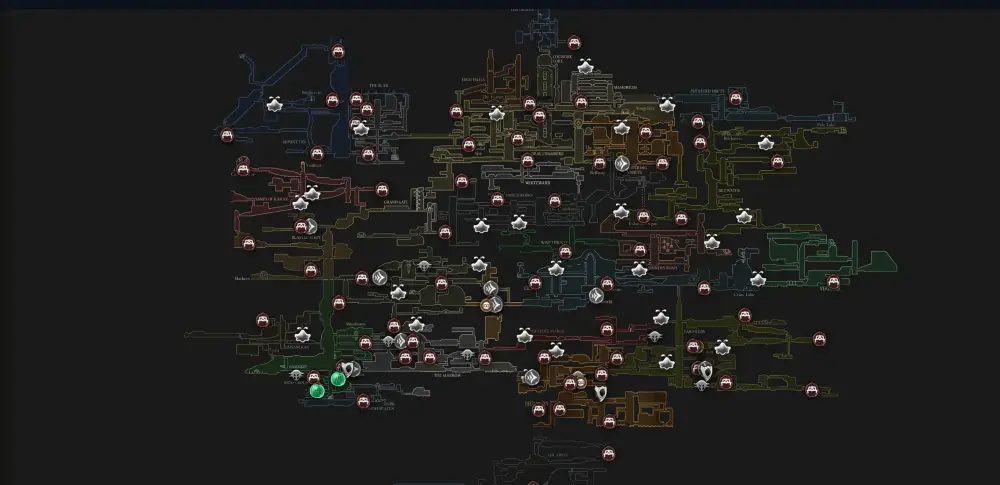
Open Interactive Map (All Areas)
Opens the full interactive Silksong map in a new tab.